

News
Premature Births Decrease in Scotland Since Smoking Ban, According to Study
March 7, 2012 Nicola  |
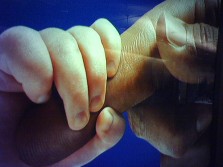
Evidence suggests since Scotland introduced a ban on smoking in public places in 2006, premature births have decreased by 10%.
Researchers believe that the smoking ban is linked to a 10% drop in premature births in Scotland. This can now be added to the other benefits that have become apparent since the smoking ban was introduced, such as a reduction in asthma and heart disease.
Plos Medicine conducted the study of more than 700,000 expectant women in Scotland and analysed the correlation between smoking and birth rate before and after the ban. The study spanned a period of around 14 years.
The chief executive of special care baby charity Bliss, Andy Cole, is pleased with the news, stating: “We welcome the findings of this new study, which highlights a reduction in the number of babies born early or with low birthweight in Scotland, where around 8,000 babies are born each year needing specialist hospital care.”
Past research has found that there is a link between tobacco and poor foetal growth as well as problems with the placenta.
Since the legislation was put in place six years ago, fewer mothers-to-be have smoked. Whereas previously the figure for women smoking while pregnant was 25%, it has now dropped to 19%; another benefit of the ban.
A spokesman for the Scottish government said: “We are continuing to build upon the achievements made to protect future generations from the devastating effects of smoking such as bans on cigarette vending machines and the displays in shops.”
Despite the fact that the rate of premature births started to decline before the ban was introduced, and the incidence of smoking increased slowly shortly after the ban, the investigators believe that there is a link between the ban and the reduction in premature births as there have been no other significant changes in maternity care that could explain the findings.
Scotland was the first of the UK countries to introduce the smoking ban in public places, followed by Wales, Northern Ireland and England in 2007.
By Catrin Hughes
[Image courtesy of Flickr]

